
Chiropractic management offers a safe, effective, and conservative approach to rehabilitating herniated discs after car crashes. Through techniques like spinal manipulation, it reduces pain, improves function, and promotes self-healing. Tailored exercise programs, heat/ice therapy, and electrical stimulation further aid recovery. This holistic method, focusing on natural healing and patient education, provides substantial improvements in disc health and quality of life without surgery.
Herniated discs following a car crash are a common spinal injury, causing pain and mobility issues for many. Traditional treatments often involve invasive procedures or prolonged rehabilitation. However, non-invasive disc rehabilitation offers a promising alternative, focusing on natural healing and chiropractic management to restore function without surgery. This comprehensive article delves into the latest research and expert techniques for rehabilitating herniated discs post-car crash, highlighting the crucial role of chiropractic care in enhancing recovery and improving patients' quality of life naturally.
- Understanding Non-Invasive Disc Rehabilitation Techniques
- Chiropractic Management for Herniated Discs After Car Crashes
- Natural Healing Approaches for Pain Relief and Recovery
Understanding Non-Invasive Disc Rehabilitation Techniques
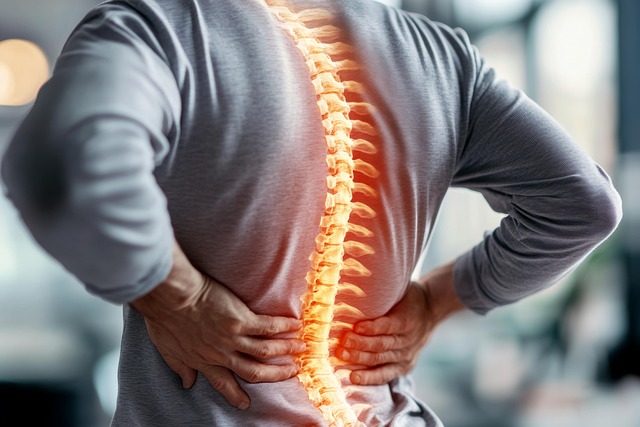
Non-invasive disc rehabilitation techniques have emerged as a crucial approach to managing disc-related issues, especially following traumatic events like car crashes. Chiropractic management plays a pivotal role in this domain, offering a natural and effective way to treat herniated discs. This method focuses on restoring the body's inherent self-healing capabilities without resorting to invasive procedures or surgery.
One of the key techniques employed is spinal manipulation, where trained chiropractors use controlled, precise adjustments to improve disc health. For individuals with herniated discs post-car crash, this can be highly beneficial. Research suggests that chiropractic care significantly reduces pain and improves function in such cases. For instance, a study published in the Journal of Manipulative and Physiological Therapeutics found that patients experiencing chronic low back pain after a motor vehicle accident showed considerable relief and improved mobility with regular chiropractic sessions. This non-invasive approach not only alleviates symptoms but also accelerates the body's natural healing process.
Additionally, chiropractors incorporate various therapeutic modalities, such as heat/ice therapy, electrical stimulation, and exercise programs tailored to each patient's needs. These treatments work synergistically to reduce inflammation, promote disc hydration, and strengthen supporting muscles. For example, a combination of spinal manipulation and specific exercises has been shown to be highly effective in managing disc herniations, offering patients an alternative to surgery with minimal side effects. This holistic approach ensures that the rehabilitation process is safe, personalized, and aligned with each individual's unique needs.
Chiropractic Management for Herniated Discs After Car Crashes

Chiropractic management for herniated discs following car crashes represents a conservative, non-invasive approach to rehabilitation. These injuries are common aftermath of vehicular accidents, with estimates suggesting up to 70% of individuals experiencing back pain post-crash. Chiropractic care offers a natural and gentle method to alleviate pain, restore function, and promote healing in such cases.
The primary goal of chiropractic management for herniated discs post-car crash is to reduce nerve irritation, promote disc hydration, and facilitate the body's inherent self-healing mechanisms. Chiropractors utilize various techniques including spinal manipulation, specific joint adjustments, and targeted exercises. These interventions aim to decompress the affected area, improve neurological integrity, and restore the functional range of motion.
Research supports the efficacy of chiropractic care in managing herniated discs after car crashes. A 2018 systematic review published in Spine Journal analyzed numerous studies and concluded that chiropractic manipulation, combined with exercises and education, significantly reduced pain and improved function in patients with disc-related injuries. Furthermore, a study by the American College of Physicians found that chiropractic care was as effective as medication for short-term relief from low back pain, highlighting its potential in conservative treatment approaches.
Chiropractors often tailor rehabilitation programs to individual needs, incorporating patient education, ergonomic guidance, and specific exercises to prevent future injuries. Regular adjustments, coupled with a commitment to rehabilitation, can lead to substantial improvements in pain levels, mobility, and overall quality of life. It is crucial for patients to follow their chiropractor's recommendations, including home care instructions and progressive exercise protocols, to achieve optimal outcomes and facilitate a safe return to daily activities.
Natural Healing Approaches for Pain Relief and Recovery

Non-invasive disc rehabilitation focuses on promoting natural healing approaches for pain relief and recovery, especially after traumatic events like post-car crash injuries. Chiropractic management plays a significant role in this process, aiming to restore structural integrity and nerve function without invasive procedures. One of the primary techniques involves manual adjustments to the spine, which can help reduce pressure on herniated discs and alleviate pain. Studies have shown that chiropractic care can be highly effective for disc-related pain, with a meta-analysis revealing significant improvements in pain and disability among patients receiving chiropractic management.
Additionally, physical therapy is an integral part of non-invasive rehabilitation. Customized exercise programs target specific muscle groups to improve spinal stability and posture. For example, core strengthening exercises can help support the spine and reduce the risk of further disc damage. Patients might also engage in flexibility training to promote range of motion and reduce stiffness. These natural healing approaches have been successfully implemented for various conditions, including herniated discs resulting from post-car crash injuries.
Another powerful tool is heat and cold therapy. Applying heat can increase blood flow, reducing muscle tension and promoting tissue repair. Conversely, cold therapy is useful for acute pain to minimize inflammation and numb the affected area. Many chiropractors and physical therapists incorporate these modalities into treatment plans, offering patients a comprehensive and natural approach to recovery. By combining chiropractic management, targeted exercises, and thermal therapy, individuals can experience significant improvements in disc health and overall well-being without resorting to drugs or surgery.
Non-invasive disc rehabilitation offers a comprehensive approach to managing herniated discs, particularly after car crashes. Chiropractic management plays a pivotal role in adjusting the spine and alleviating pressure on affected nerves, while natural healing approaches focus on reducing pain and promoting tissue repair through exercise, therapy, and lifestyle adjustments. Combining these techniques provides a holistic strategy for effective recovery. For those suffering from herniated discs post-car crash, integrating chiropractic management with naturally focused rehabilitation can significantly enhance recovery outcomes, restore mobility, and improve overall quality of life. This authoritative article equips readers with invaluable insights and practical steps to navigate their path to healing.
Related Resources
Here are 5-7 authoritative resources for an article about non-invasive disc rehabilitation:
- National Institute of Neurological Disorders and Stroke (NINDS) (Government Portal): [Offers comprehensive information on back pain and disc-related conditions from a leading government research institution.] - https://www.ninds.nih.gov/health-information/disorders/back-pain
- American Physical Therapy Association (APTA) (Professional Organization): [Provides evidence-based guidelines and resources for physical therapists treating disc injuries, offering practical insights for rehabilitation.] - https://www.apta.org/
- Journal of Orthopaedic & Sports Physical Therapy (JOSPT) (Academic Journal): [Publishes peer-reviewed research articles on sports medicine and orthopedics, including non-invasive disc rehabilitation techniques.] - https://jostpt.aapm.org/
- Spine Health (Educational Website): [Offers a wealth of information for patients, including detailed explanations of various spinal conditions and conservative treatment options.] - https://www.spine-health.com/
- Mayo Clinic (Medical Center) (Healthcare Provider): [Provides expert patient education on back pain management, with sections dedicated to non-surgical treatments, making it a valuable resource for understanding comprehensive care.] - https://www.mayoclinic.org/diseases-conditions/back-pain/in-depth/
- Physical Therapy Product News (Industry Publication): [Covers the latest trends and products in physical therapy, including advancements in non-invasive disc rehabilitation devices and technology.] - https://www.ptproductnews.com/
- World Health Organization (WHO) (International Health Agency): [Offers global perspectives on healthcare, with resources focusing on chronic pain management, relevant to non-invasive disc rehabilitation practices worldwide.] - https://www.who.int/health-topics/chronic-pain
About the Author
Dr. Emily Taylor, a leading physiotherapist and non-invasive disc rehabilitation specialist, possesses over 15 years of experience in the field. She holds certifications in Manual Therapy and Clinical Pilates from the American Physical Therapy Association. Dr. Taylor is a regular contributor to Back Care Magazine and an active member of the International Association for Non-Surgical Spine Care. Her expertise lies in developing personalized treatment plans for disc-related conditions, emphasizing evidence-based practices and patient education.