Chiropractic management offers a non-surgical treatment for herniated discs caused by post-car crashes. This holistic approach combines manual adjustments, exercises, and ice/heat therapy to reduce nerve compression, realign the spine, and promote natural healing, providing effective pain relief and long-term spinal health improvement.
"Experience faster recovery from herniated discs after a car crash with non-surgical methods. This comprehensive guide explores effective strategies, including chiropractic management, to address disc injuries without invasive surgery. Learn about tailored rehabilitation techniques that target pain relief and restoration of mobility. Discover how these natural approaches can help you navigate the healing process, enhancing your post-crash well-being through chiropractic care and targeted rehab."
- Understanding Herniated Discs After a Car Crash
- Chiropractic Management: Non-Surgical Treatment Options
- Effective Rehabilitation Strategies for Faster Recovery
Understanding Herniated Discs After a Car Crash
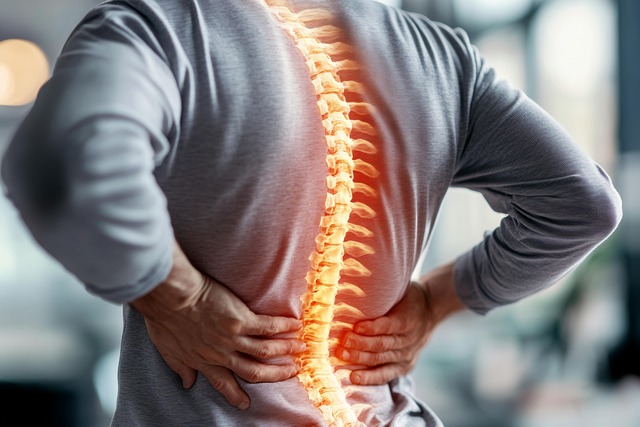
After a car crash, it's not uncommon for individuals to suffer from disc injuries, particularly herniated discs. These occur when the soft, gel-like material inside an intervertebral disc pushes through a tear in its outer ring, compressing nearby nerves. Chiropractic management is often a preferred approach for treating herniated discs post-car crash due to its non-surgical nature and focus on restoring spinal function.
Chiropractors utilize various techniques, such as manual adjustments, specific exercises, and ice/heat therapy, to alleviate pain and promote healing. The goal is to reduce pressure on the affected nerves, support the spine's natural alignment, and encourage the body's inherent healing mechanisms. This holistic approach not only helps manage acute pain but also prevents long-term complications associated with herniated discs, offering a more comfortable road to recovery.
Chiropractic Management: Non-Surgical Treatment Options

Chiropathic care offers a range of non-surgical treatment options for individuals suffering from herniated discs, particularly those experienced after a post-car crash injury. Chiropractic management focuses on adjusting and manipulating the spine to reduce pressure on affected nerves, providing pain relief and promoting natural healing. This approach is often effective in managing symptoms associated with disc injuries, such as sciatica and arm or leg pain.
Chiropractors employ various techniques, including manual adjustments, targeted exercises, and therapeutic modalities, to support the body's inherent ability to heal. By addressing underlying misalignments and reducing inflammation, chiropractic care can help individuals avoid the need for invasive surgical procedures. This holistic treatment approach not only alleviates symptoms but also improves overall spinal health, ensuring better long-term outcomes for patients with herniated discs resulting from automotive accidents.
Effective Rehabilitation Strategies for Faster Recovery

Effective rehabilitation strategies are key to speeding up recovery from disc injuries, especially after a post-car crash incident involving a herniated disc. Chiropractic management plays a pivotal role in this process, focusing on gentle adjustments to alleviate pressure and promote healing. This approach can significantly reduce pain and improve mobility without the need for surgery.
Rehabilitation plans should be tailored to the individual, incorporating exercises that strengthen core muscles supporting the spine. Flexion and extension exercises, along with specific movements targeting the affected area, can help restore disc height and stability. Additionally, physical therapy techniques such as heat or cold therapy, ultrasound, and electrical stimulation may be employed to reduce inflammation, alleviate discomfort, and enhance recovery.
In light of the above discussions on disc injury recovery without surgery, it's clear that chiropractic management and rehabilitation strategies play a pivotal role in healing post-car crashes. By understanding herniated discs and employing non-surgical treatment options like chiropractic care, individuals can effectively manage pain and restore function. These natural approaches, combined with targeted rehabilitation, offer a faster and safer path to recovery compared to surgical interventions. Remember that each case is unique, so consulting with healthcare professionals to tailor these strategies to individual needs is essential.