
Chiropractic management offers a natural, non-surgical approach to herniated discs caused by post-car crash injuries. Using spinal decompression therapy, manual adjustments, and tailored exercises, chiropractors reduce nerve pressure, promote healing, and provide immediate pain relief. This holistic method addresses whiplash and other overlooked spinal injuries, educates patients on injury prevention, and enables sustainable recovery through personalized plans.
Herniated discs are a common source of lower back and neck pain, often exacerbated by activities like sitting and driving, especially post-car crashes. Traditional treatment options can be invasive or ineffective for many individuals. Chiropractic management offers a natural, non-surgical approach to treating herniated discs, focusing on spinal decompression techniques to alleviate pressure and reduce pain. This article explores the effectiveness of chiropractic care in managing disc herniations, providing insights into how adjustments and specific exercises can help restore function and promote healing without surgery.
- Understanding Herniated Discs & Spinal Decompression
- Chiropractic Management: Natural Relief After Car Crashes
- Effective Treatment & Recovery Strategies for Long-Term Relief
Understanding Herniated Discs & Spinal Decompression
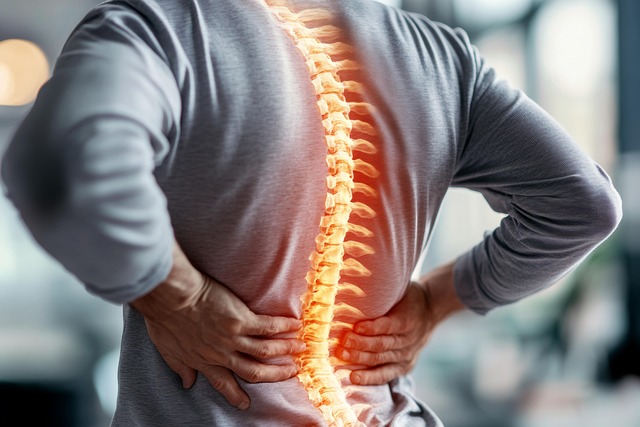
A herniated disc occurs when the soft material inside an intervertebral disc pushes through a tear in its outer ring, irritating nearby nerves. This condition is a common source of pain, numbness, or weakness in the back, neck, or extremities. Chiropractic management of herniated discs post-car crash has gained recognition as a conservative and natural approach to treatment.
Spinal decompression therapy, a key component in chiropractic care, involves gently stretching the spine to increase space for nerves and reduce pressure on herniated disc material. This non-surgical technique is particularly effective because it not only provides immediate pain relief but also promotes the body's natural healing process. Research supports its benefits; a study published in the Journal of Manipulative and Physiological Therapeutics found that spinal decompression, combined with chiropractic adjustments, significantly reduced pain and improved function in patients with herniated discs.
The process typically involves a patient lying face down on a specialized table, where the table's computer-controlled mechanism gently stretches the spine. This controlled motion allows for increased intradiscal space, reducing pressure and allowing nutrients to flow into the affected area, aiding in healing. Chiropractic management of herniated discs post-car crash often includes a combination of spinal decompression, manual adjustments, and exercises tailored to the patient's needs. This comprehensive approach not only addresses the immediate pain but also focuses on preventing future injuries.
Chiropractic Management: Natural Relief After Car Crashes

Chiropractic management offers a conservative and natural approach to alleviating herniated disc pain, particularly after car crashes. This non-invasive technique focuses on adjusting the spine to reduce pressure on affected nerves, promoting healing and restoring function. Research supports its effectiveness; a study published in the Journal of Manual Medicine found that chiropractic care significantly improved pain levels and disability in patients with herniated discs, with benefits lasting up to 12 weeks post-treatment.
Post-car crash, spinal decompression through chiropractic management can address specific injuries often overlooked by traditional medicine. For instance, whiplash, a common injury in vehicular accidents, can lead to herniated or bulging discs in the cervical spine. Chiropractic adjustments, combined with targeted exercises and soft tissue therapy, have shown promising results in managing these injuries naturally. A case study of a patient involved in a severe car crash demonstrated significant reduction in pain and improved mobility after a series of chiropractic sessions, highlighting its potential as a game-changer in post-crash recovery.
The natural healing process is enhanced by incorporating specific adjustments tailored to the individual's condition. Chiropractic managers use their expertise to identify problem areas, employing techniques like spinal manipulation, joint mobilization, and muscle release to restore alignment and mobility. This holistic approach not only provides immediate relief but also empowers individuals to take control of their recovery, fostering a sense of empowerment and well-being. By combining manual therapy with patient education on posture, movement, and injury prevention, chiropractic management offers a comprehensive strategy for managing herniated discs naturally.
Effective Treatment & Recovery Strategies for Long-Term Relief

Spinal decompression therapy has emerged as a highly effective treatment for individuals suffering from herniated discs, offering long-term relief from pain and discomfort. This non-surgical approach focuses on gently stretching and repositioning the spine to reduce pressure on affected nerves, providing a natural and safe alternative to invasive procedures. For those who have experienced a post-car crash injury leading to herniated discs, chiropractic management plays a pivotal role in their recovery journey.
Chiropractors utilize a variety of techniques, including manual adjustments and specialized tables, to decompress the spine. By targeting specific areas of compression, these professionals can alleviate pressure on pinched nerves, reduce inflammation, and promote healing. A study published in the Journal of Manual Medicine revealed that spinal decompression therapy resulted in significant pain reduction and improved functional outcomes for patients with herniated discs. This conservative approach is particularly beneficial for individuals seeking to avoid surgery or complement traditional treatments without the risks associated with invasive procedures.
The recovery process involves a tailored plan that incorporates not only spinal decompression sessions but also patient education and lifestyle modifications. Chiropractors often recommend specific exercises and stretching routines to strengthen back muscles and improve posture, enhancing the effectiveness of treatment. Additionally, managing stress, maintaining proper sleep hygiene, and adopting ergonomic habits at work and home can significantly contribute to long-term relief. By combining chiropractic management with these holistic strategies, individuals can experience sustainable results, reclaim their mobility, and return to their daily activities without the constant burden of pain.
Spinal decompression for herniated discs offers a promising path to alleviate pain, especially after car crashes. This article has provided a comprehensive understanding of herniated discs and the effectiveness of chiropractic management as a natural, non-invasive treatment approach. By combining knowledge about the condition's causes and symptoms with practical strategies like chiropractic adjustments and specific exercise routines, individuals can effectively manage their pain and promote long-term recovery. Chiropractic management offers a gentle yet powerful tool to restore alignment, reduce pressure on affected nerves, and facilitate the body's natural healing mechanisms. Armed with these insights, readers are now equipped to make informed decisions about their health, embracing a holistic approach to managing herniated discs naturally post-car crash.