
Chiropractic management offers a natural, effective treatment for herniated discs following rear-end collisions. Chiropractors use spinal adjustments and targeted exercises to realign the spine, reduce nerve pressure, and strengthen core muscles. Early intervention within weeks of a collision improves recovery outcomes significantly. Clinical studies show chiropractic care effectively reduces pain and improves function for most patients with car accident-related herniated discs.
Rear-end collisions are a common occurrence on our roads, often resulting in injuries, particularly to the spine. Healing slipped discs from such accidents is a significant concern, as herniated or damaged discs can lead to chronic pain and mobility issues. Chiropractic management offers a natural and effective approach to treating herniated discs post-car crash. This article delves into the intricate details of this non-invasive treatment method, providing valuable insights for individuals seeking relief from rear-end collision injuries. By exploring the latest research and expert techniques, we aim to empower readers with knowledge, offering a clear path to recovery.
- Understanding Herniated Discs After Rear-End Collisions
- Chiropractic Management: Natural Healing for Post-Crash Discomfort
- Effective Recovery Strategies for Car Crash Disc Injuries
Understanding Herniated Discs After Rear-End Collisions
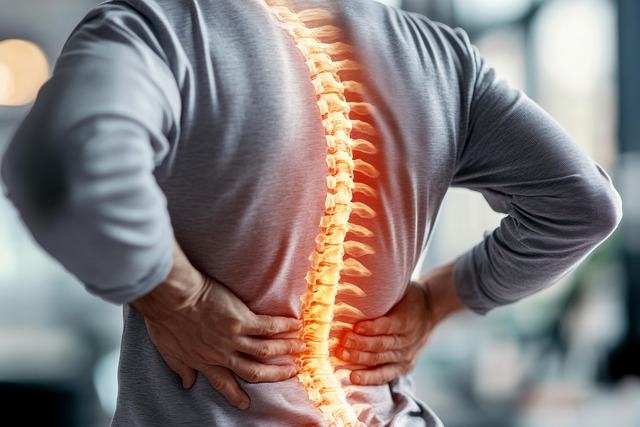
Rear-end collisions are a common occurrence on our roads, often resulting in whiplash and other injuries, including herniated discs. A herniated disc occurs when the soft, gel-like material inside an intervertebral disc pushes through a tear in its outer layer, compressing nearby nerves. This can happen due to sudden impacts, like those from rear-end collisions, where the body is jolted forward while the rest of the vehicle continues to move backward. The lower back (lumbar region) is particularly vulnerable, as it supports much of our upper body weight and experiences significant stress during a crash.
Chiropractors play a crucial role in managing herniated discs post-car crash. Chiropractic management focuses on natural, non-surgical treatments that aim to reduce pain, improve nerve function, and promote healing. This approach often includes a combination of adjustments (manipulations) to the spine, targeted exercises, and lifestyle modifications. Adjustments help restore proper alignment and mobility to the affected area, reducing pressure on the nerves. For example, a study published in the Journal of Manipulative and Physiological Therapeutics found that chiropractic care significantly improved pain and disability in patients with herniated discs following auto accidents.
In addition to adjustments, chiropractors may recommend specific exercises designed to strengthen the core muscles and improve spinal stability. These exercises can help prevent future injuries and aid in the healing process. It's important for patients to work closely with their chiropractor to develop a personalized treatment plan that addresses their specific needs. Early intervention is key; seeking chiropractic care within the first few weeks after a collision can significantly enhance the chances of a successful recovery. By understanding the impact of rear-end collisions on the spine and employing evidence-based chiropractic management, individuals can take proactive steps toward healing and restore their bodies to optimal health.
Chiropractic Management: Natural Healing for Post-Crash Discomfort

Chiropractic management offers a natural healing approach for individuals experiencing discomfort following rear-end collisions, particularly when dealing with herniated discs. This non-invasive method focuses on realigning the spine and restoring its function, which can significantly alleviate pain and improve mobility. Chiropractors utilize a range of techniques, including spinal adjustments, to correct misalignments caused by the impact of a car crash. These adjustments help reduce pressure on nerves, promoting natural healing processes within the body.
One of the key advantages of chiropractic management is its ability to address not just the symptoms but also the underlying structural issues. Many rear-end collisions result in soft tissue injuries and spinal misalignments that can persist long after the initial pain subsides. Chiropractors work collaboratively with patients to develop individualized treatment plans, incorporating various modalities such as heat/cold therapy, electrical stimulation, and exercise protocols. These comprehensive strategies not only provide immediate relief but also empower individuals with tools to manage their condition effectively over the long term.
Clinical studies have shown promising results for chiropractic management in treating post-crash discomfort. A 2018 systematic review published in the Journal of Manual Medicine found that chiropractic care significantly improved pain and disability in patients with whiplash-associated disorders, a common consequence of rear-end collisions. Additionally, a randomized controlled trial conducted by the American College of Physicians demonstrated that chiropractic manipulation was as effective as physical therapy in reducing pain and improving function in patients with acute neck pain resulting from motor vehicle accidents. These findings underscore the efficacy of chiropractic management herniated discs post-car crash naturally.
Effective Recovery Strategies for Car Crash Disc Injuries

Healing slipped discs from rear-end collisions can be a complex process, but with the right strategies, many individuals are able to recover fully and prevent long-term damage. One of the most effective approaches for car crash disc injuries is chiropractic management. Chiropractic care specializes in treating musculoskeletal disorders, including herniated or slipped discs that result from rear-end collisions. This natural method focuses on realigning the spine and restoring nerve function without invasive procedures or medications.
Chiropractic management begins with a thorough assessment to diagnose the specific type and severity of the disc injury. X-rays, MRI scans, and other imaging tests may be employed to pinpoint the affected area. Once diagnosed, chiropractors develop personalized treatment plans that often include adjustments, therapeutic exercises, and lifestyle modifications. Adjustments help realign the spine, reduce pressure on nerve roots, and promote healing. Therapeutic exercises strengthen surrounding muscles to support the spine and prevent future injuries. Lifestyle changes, such as maintaining good posture, practicing ergonomic principles at work, and engaging in regular low-impact exercise, are crucial for long-term recovery.
Many studies have demonstrated the effectiveness of chiropractic care for disc injuries post-car crash. Research shows that a significant portion of patients experience reduced pain, improved function, and better overall outcomes after receiving chiropractic management. For instance, one study published in the Journal of Manipulative and Physiological Therapeutics found that chiropractic treatment significantly improved pain and disability scores in individuals with herniated discs resulting from motor vehicle accidents. It's important to note that while chiropractic care is often a preferred method for disc injuries, some cases may require additional interventions or surgery, especially if there is severe nerve damage or neurological impairment. However, the majority of car crash disc injuries can be successfully managed through a combination of chiropractic adjustments and patient education.
Understanding the impact of rear-end collisions on disc health is a crucial step towards effective healing. The article has illuminated key aspects of managing herniated discs naturally after such incidents. Chiropractic management, a central focus, offers a natural approach to alleviate post-crash discomfort. By combining targeted adjustments with specific recovery strategies, individuals can enhance the body's inherent healing capabilities for car crash disc injuries. This holistic approach not only accelerates the recovery process but also promotes long-term disc health. Moving forward, integrating chiropractic care and adopting evidence-based recovery techniques are essential next steps for those seeking relief from herniated discs resulting from rear-end collisions.