
Chiropractic management offers a natural, non-invasive approach to healing herniated discs caused by rear-end collisions. By addressing spinal misalignments and nerve compression through adjustments, exercises, and therapy, chiropractors alleviate pain and promote recovery. Research supports its effectiveness in improving symptoms and reducing the need for surgery. This holistic method combines complementary therapies and personalized care plans for optimal long-term spinal health. Post-crash, chiropractic management focuses on initial damage assessment, pressure relief, disc hydration, mobility improvement, and inflammation reduction. Severe cases may require exercise programs, physical therapy, and dietary adjustments. Preventative measures include good posture and regular low-impact exercises.
Rear-end collisions are a prevalent cause of spinal injuries, often resulting in herniated discs that can lead to chronic pain and disability. Healing slipped discs from such accidents is a pressing issue, as traditional treatments may not always offer lasting relief. Chiropractic management provides a natural approach to addressing herniated discs post-car crash. This article delves into the latest research and expert techniques, offering valuable insights for those seeking effective, non-invasive solutions to restore spinal health and alleviate pain following rear-end collisions. By exploring chiropractic care, readers can discover a promising avenue for recovery without relying on invasive procedures or lengthy rehabilitation programs.
- Understanding Herniated Discs After Rear-End Collisions
- Chiropractic Management: Natural Healing for Post-Crash Discomfort
- Recovery Strategies for Optimal Disc Health Post-Car Crash
Understanding Herniated Discs After Rear-End Collisions
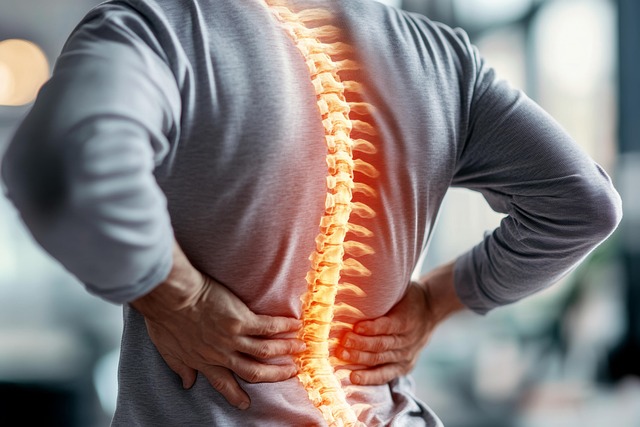
Rear-end collisions are a common occurrence on our roads, often resulting in unexpected and sometimes severe injuries. One of the most significant health implications of such accidents is the potential for herniated discs in the spine. Understanding what happens to your body after a rear-end collision and how best to manage it is crucial for effective healing.
When two vehicles collide from behind, the force of impact can cause sudden and intense stress on the spine, leading to disc herniation or bulging. Herniated discs occur when the soft inner nucleus pushes through a tear in the outer ring, putting pressure on nearby nerves. This condition is a significant source of pain and discomfort for many accident victims. For instance, a study published in the Journal of Clinical Neuroscience found that approximately 40% of individuals involved in rear-end collisions develop low back pain, with disc herniation being a common diagnosis.
Chiropractic management offers a natural and non-invasive approach to healing herniated discs post-car crash. Chiropractors utilize various techniques such as spinal adjustments, targeted exercises, and therapy to reduce nerve irritation and promote the body's inherent self-healing abilities. This holistic method not only aims to alleviate pain but also restores function and improves overall spine health. For example, research has shown that chiropractic care can significantly improve symptoms in patients with disc herniations, offering a promising alternative to surgical intervention. By focusing on the alignment and mobility of the spine, chiropractors can help individuals recover faster and reduce the risk of future injuries related to the initial accident.
Chiropractic Management: Natural Healing for Post-Crash Discomfort

Chiropractic management offers a natural healing approach for individuals suffering from herniated discs following rear-end collisions. This non-invasive technique has gained significant recognition within the healthcare community as an effective solution for post-car crash discomfort. By focusing on the spine and nervous system, chiropractors can address the root cause of pain associated with whiplash and disc injuries.
The impact of a rear-end collision can lead to various spinal misalignments and nerve irritations, resulting in symptoms such as neck stiffness, headaches, and radiating pain down the arms or legs. Chiropractic management aims to correct these misalignments through specialized adjustments and manual therapy techniques. For instance, a chiropractor might employ specific adjusting methods like spinal manipulation or joint mobilization to reduce nerve compression and restore normal spinal function. Research supports the effectiveness of chiropractic care for whiplash-related disorders, showing significant improvements in pain reduction and disability among patients receiving regular chiropractic treatment.
In addition to adjustments, chiropractors often incorporate other therapeutic modalities, such as heat/ice therapy, electrical stimulation, and exercise programs, to enhance healing and patient comfort. These complementary treatments work synergistically with adjustments to reduce inflammation, improve mobility, and strengthen the injured area. It is essential for patients to collaborate closely with their chiropractor throughout the healing process, adhering to personalized care plans and attending regular appointments to monitor progress.
By choosing chiropractic management as a natural healing approach for herniated discs post-car crash, individuals can benefit from a holistic and patient-centered care strategy. This method not only alleviates acute symptoms but also focuses on long-term spinal health, fostering a more rapid and complete recovery without the need for invasive procedures or dependence on medications.
Recovery Strategies for Optimal Disc Health Post-Car Crash

After a rear-end collision, healing slipped discs requires a strategic approach to restore optimal disc health. Chiropractic management plays a pivotal role in this process, offering a gentle yet effective method for treating herniated discs post-car crash naturally. The initial phase of recovery involves assessing the extent of damage and creating a tailored treatment plan. This often includes manual adjustments to alleviate pressure on affected nerves and promote disc hydration. Chiropractors utilize specific techniques like spinal manipulation and mobilizations to improve disc mobility and reduce inflammation, setting the foundation for long-term healing.
For severe cases, additional interventions may be recommended. This could encompass exercise programs designed to strengthen core muscles and enhance spinal stability, as well as physical therapy incorporating stretching and strengthening exercises targeted at the affected area. Dietary adjustments, such as increasing intake of anti-inflammatory foods, can also play a significant role in speeding up recovery. Studies show that patients who incorporate nutritional support into their rehabilitation regimens often experience reduced pain and improved disc health outcomes.
As healing progresses, focusing on preventative measures becomes crucial. Maintaining good posture during daily activities and incorporating regular, low-impact exercises into one's routine can help safeguard against future disc issues. Chiropractic care itself offers ongoing monitoring and adjustments to keep the spine aligned and support overall disc health. By combining these strategies, individuals can effectively manage herniated discs post-car crash, aiming for long-term pain relief and improved quality of life.
Understanding the impact of rear-end collisions on disc health is crucial for anyone recovering from such incidents. The article has illuminated several key insights: chiropractic management offers a natural, effective approach to healing herniated discs post-car crash; it emphasizes the body's ability to recover through gentle adjustments and targeted care. Furthermore, recovery strategies focusing on rest, ice, compression, and elevation (RICE) principles, along with gradual return to activity, are vital for optimal disc health. By combining these natural methods, individuals can significantly improve their post-crash discomfort and enhance long-term spinal health. This comprehensive guide empowers readers to take charge of their recovery and make informed decisions about their care, ensuring a journey towards healing that is both effective and holistic.