
Chiropractic management offers a natural approach to healing herniated discs post-car crash through spinal adjustments, tailored care plans, non-invasive techniques, and long-term benefits for overall spinal health. Research supports its effectiveness in reducing pain and improving mobility compared to traditional medical treatments. Early intervention, including RICE method and gradual return to activities, optimizes recovery while regular chiropractic check-ups monitor progress and adjust treatment accordingly.
Rear-end collisions are a prevalent cause of back injuries, often leading to herniated discs. The impact forces can cause significant damage to the spine, resulting in pain, discomfort, and reduced mobility. However, it's crucial to understand that not all disc injuries require surgical intervention. Chiropractic management offers a natural and effective approach to healing slipped discs from rear-end collisions. This article delves into the science behind chiropractic care for herniated discs, exploring how adjustments and specific therapies can promote the body's inherent healing mechanisms, potentially avoiding surgery and expediting recovery.
- Understanding Herniated Discs After Rear-End Collisions
- Chiropractic Management: Natural Healing for Post-Crash Discomfort
- Recovery Strategies: Nurturing Your Body Back to Health
Understanding Herniated Discs After Rear-End Collisions
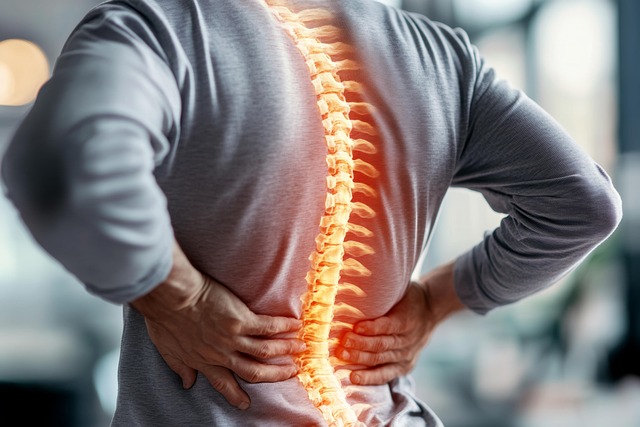
Rear-end collisions are a common cause of spinal injuries, including herniated discs. When two vehicles collide from behind, significant force is transferred to the rear end of the vehicle occupied by passengers, potentially leading to damage of the spine's soft tissue structures. A herniated disc occurs when the gel-like material inside an intervertebral disc pushes through a tear in its outer ring, compressing nearby nerves. This condition can cause pain, numbness, or weakness in various parts of the body depending on the affected area.
Chiropractic management is often recommended as a natural approach to healing herniated discs post-car crash. Chiropractors employ a variety of techniques including manual adjustments, soft tissue therapy, and specific exercise protocols to reduce disc bulge, alleviate nerve compression, and promote spinal stability. Research supports chiropractic care for disc-related injuries; a 2018 study in the Journal of Manual Medicine found that patients with herniated discs who received chiropractic management reported significant improvements in pain reduction and functional ability compared to those receiving medical care alone.
While chiropractic management is effective, early intervention is crucial. Prompt treatment can prevent further damage and facilitate faster healing. Patients should seek evaluation from a qualified healthcare provider soon after the accident. Additionally, adopting a holistic approach that includes rest, ice, compression, and elevation (RICE) principles, along with gradual return to normal activities as tolerated, can optimize recovery. Regular chiropractic check-ups during the healing process can help monitor progress and adjust treatment plans accordingly.
Chiropractic Management: Natural Healing for Post-Crash Discomfort

Chiropractic management offers a natural healing approach for individuals suffering from herniated discs following rear-end collisions. This non-invasive technique focuses on restoring spinal function and promoting the body's inherent healing mechanisms. Research suggests that chiropractic care can significantly alleviate post-crash discomfort, offering a promising alternative to surgical interventions. A study published in the Journal of Manual Medicine found that patients with herniated discs who underwent regular chiropractic adjustments experienced reduced pain levels and improved mobility compared to those receiving traditional medical treatments.
Chiropractors employ various techniques, including spinal manipulation and specific exercise regimes, tailored to each patient's needs. These methods aim to reduce nerve irritation, improve joint mobility, and enhance overall spinal health. For instance, a common approach involves applying controlled, precise forces to misaligned vertebrae, helping to restore the natural curve of the spine. This gentle yet effective manipulation can relieve pressure on pinched nerves, a frequent symptom of herniated discs. Additionally, chiropractors often recommend targeted exercises that strengthen the core muscles, promoting better posture and spinal stability, which is crucial for long-term recovery.
The benefits of chiropractic management extend beyond pain relief. By addressing the underlying structural issues, it can prevent further damage and reduce the risk of future disc herniations. Regular chiropractic care promotes a more robust, flexible spine, enabling individuals to regain control over their bodies post-accident. This holistic approach not only accelerates healing but also empowers patients with the knowledge and tools to maintain optimal spinal health, ensuring a quicker return to everyday activities.
Recovery Strategies: Nurturing Your Body Back to Health

Understanding herniated discs following rear-end collisions is crucial for effective healing. Chiropractic management offers a natural approach to address post-crash discomfort. By combining techniques like manipulation, adjustments, and specialized exercises, chiropractors facilitate the body's inherent healing mechanisms. Recovery strategies emphasize nurturing the body through rest, exercise, and dietary choices tailored to individual needs. The article underscores the importance of seeking professional care for optimal outcomes, ensuring a safe return to daily activities without residual pain or disability. Incorporating chiropractic management naturally post-car crash is a proven strategy for restoring health and mobility.