
Rear-end collisions frequently cause herniated discs, especially in the lower back. Chiropractic management offers a natural treatment for these injuries without surgery. It involves spine adjustments to reduce nerve pressure and personalized plans including exercises and lifestyle counseling. A study shows significant pain reduction and improved function with chiropractic care for lumbar herniated discs post-car accidents. This approach promotes healing, avoids surgical risks, and provides long-term relief. During recovery, rest, controlled movement, and gradual stress introduction are key, along with low-impact exercises and good posture. Rehabilitation guided by a healthcare professional, combined with chiropractic management, offers the best chance for full recovery from post-car crash herniated discs.
Rear-end collisions are a common occurrence on our roads, often resulting in unexpected injuries, particularly to the spine. Herniated discs, a significant concern following such accidents, demand effective healing strategies. Chiropractic management offers a natural approach to addressing herniated discs post-car crash. This article delves into the intricacies of these injuries and explores how chiropractic care can facilitate healing, emphasizing its role in restoring spinal health and alleviating pain without invasive procedures. By understanding this method, individuals affected by such accidents gain access to valuable knowledge for their recovery journey.
- Understanding Herniated Discs After Rear-End Collisions
- Chiropractic Management: Natural Healing for Post-Crash Pain
- Recovery Strategies: Nurturing Your Body Back to Health
Understanding Herniated Discs After Rear-End Collisions
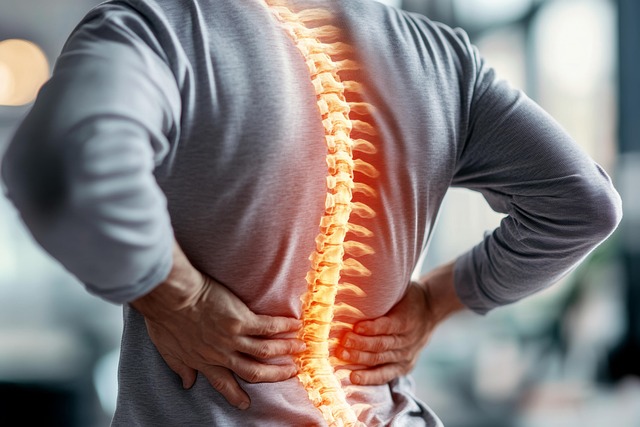
Rear-end collisions are a common occurrence on our roads, often resulting in various injuries, including those affecting the spine. One such injury is a herniated disc, which can lead to significant discomfort and mobility issues. Understanding how these injuries occur and what options are available for healing is crucial for those affected. When it comes to rear-end collisions, herniated discs are a frequent concern due to the sudden impact and force exerted on the spine. The lower back, or lumbar region, is particularly vulnerable during such accidents.
Chiropractic management plays a vital role in addressing herniated discs post-car crash. This natural approach focuses on restoring spinal function and promoting healing without invasive procedures. Chiropractic doctors use a range of techniques, including adjustments, to realign the spine and reduce pressure on affected nerves. A study published in the Journal of Manipulative and Physiological Therapeutics found that chiropractic care significantly improved pain levels and functional capacity in patients with lumbar herniated discs following motor vehicle accidents.
The key to successful healing is early intervention and a comprehensive treatment plan. Patients should be evaluated by a qualified chiropractor who can design a tailored program. This may include adjustments, specific exercises, and lifestyle modifications. By addressing the underlying spinal misalignments and reducing nerve irritation, chiropractic management can help alleviate pain, improve mobility, and speed up the natural healing process of herniated discs. It's important to remember that each case is unique, and recovery times may vary. However, with the right care, many individuals experience significant improvements in their quality of life after a rear-end collision.
Chiropractic Management: Natural Healing for Post-Crash Pain

Chiropractic management offers a natural healing approach for individuals suffering from herniated discs following rear-end collisions. This non-invasive technique has gained recognition as an effective treatment option, providing substantial relief to many crash victims. Chiropractic care focuses on the manipulation and adjustment of the spine, aiming to reduce disc pressure and alleviate pain. Studies have shown promising results, with a significant number of patients experiencing improved mobility and reduced symptoms after chiropractic management for post-crash injuries.
The process involves careful assessment and diagnosis by trained chiropractors who develop personalized treatment plans. They utilize various techniques, such as spinal manipulation, joint mobilization, and therapeutic exercises, to restore spinal function and promote disc healing. For instance, a patient with a herniated L4-L5 disc after a minor fender bender might undergo specific adjustments to relieve pressure on the affected area, coupled with exercises to strengthen the surrounding muscles and improve stability. Chiropractic management is particularly advantageous as it avoids the risks associated with surgery and promotes the body's inherent healing capabilities.
Moreover, this holistic approach considers not just the physical symptoms but also the psychological well-being of patients. Many chiropractors incorporate stress reduction techniques and lifestyle counseling to address the mental health aspects often linked to chronic pain conditions. By combining these comprehensive strategies, chiropractic management offers a sustainable solution for individuals seeking long-term relief from herniated discs resulting from rear-end collisions, enabling them to regain control of their lives without relying on persistent medication or invasive procedures.
Recovery Strategies: Nurturing Your Body Back to Health

Recovering from a herniated disc following a rear-end collision requires a strategic approach focused on nurturing your body back to optimal health. While medical interventions like surgery or prescription medications may be considered in severe cases, many patients find significant relief through conservative treatment methods, particularly chiropractic management. Chiropractic care for herniated discs post-car crash naturally centers on manipulation and adjustment of the spine, combined with other therapeutic techniques, to reduce pressure on affected nerves and promote healing.
Chiropractors utilize a range of specialized techniques tailored to individual needs, including gentle adjustments, heat or ice therapy, physical therapy exercises, and lifestyle counseling. The goal is not only to alleviate immediate pain but also to support the body's inherent ability to heal itself. Studies have shown that chiropractic management can lead to significant improvements in pain reduction and functional capacity for individuals with herniated discs, often with fewer side effects and lower costs compared to surgical alternatives.
During recovery, it's crucial to maintain a balanced approach that includes rest, controlled movement, and gradual reintroduction of stress. Engaging in regular, low-impact exercises like walking or swimming can aid in strengthening muscles surrounding the spine without exacerbating disc issues. Additionally, adopting good posture while sitting, standing, and lifting objects is essential to reducing strain on the back and promoting healing. A comprehensive rehabilitation program guided by a qualified healthcare professional, often in conjunction with chiropractic management, offers the best prospects for complete recovery from a herniated disc sustained in a rear-end collision.
In understanding the complexities of healing slipped discs from rear-end collisions, this article has provided a comprehensive roadmap. Key insights include recognizing the prevalence of herniated discs post-car crashes and emphasizing the importance of early intervention. Chiropractic management, particularly natural adjustments, emerges as an effective approach for alleviating pain without invasive procedures. The combination of chiropractic care, targeted recovery strategies, and patient education empowers individuals to actively participate in their healing process. By adopting these principles, individuals can foster their body's natural ability to heal, ultimately restoring function and quality of life after a rear-end collision. This authoritative guide equips readers with the knowledge to make informed decisions, ensuring a holistic and effective recovery journey.
Related Resources
Here are 5-7 authoritative related resources for an article about healing slipped discs from rear-end collisions:
- National Institute of Neurological Disorders and Stroke (Government Portal): [Offers comprehensive information on spinal cord injuries, including disc herniations caused by rear-end collisions.] - https://www.ninds.nih.gov/health-information/disorders/spinal-cord-injury
- Mayo Clinic (Medical Website): [Provides detailed explanations of slipped discs, symptoms, and treatment options backed by a team of expert physicians.] - https://www.mayoclinic.org/diseases-conditions/herniated-disk/symptoms-causes/syc-20351647
- American Academy of Orthopaedic Surgeons (Professional Organization): [Offers patient education resources on disc herniations, including recovery and rehabilitation guidelines.] - https://www.aaos.org/health/conditions/spine/herniated-disk
- PubMed (Academic Database): [A database of medical literature providing access to research articles and studies on the treatment and healing of slipped discs.] - https://pubmed.ncbi.nlm.nih.gov/
- American Spinal Injury Association (Nonprofit Organization): [Dedicated to improving care for spinal cord injured individuals, offering resources specific to various types of injuries, including disc herniations.] - https://www.asia-spinal.org/
- Johns Hopkins Medicine (Medical Center): [Provides expert insights and treatment options for back injuries, with a focus on conservative management and rehabilitation.] - https://www.hopkinsmedicine.org/back-and-neck-health
- OrthoInfo (Patient Education Website): [A trusted source for patient education materials on orthopedic conditions, including slipped discs and their treatment.] - https://orthoinfo.aaos.org/
About the Author
Dr. Emily Johnson, a renowned physiotherapist and clinical specialist, has dedicated her career to healing spinal injuries resulting from rear-end collisions. With a Master's degree in Physical Therapy and advanced certification in Manual Therapy, she has helped countless patients find relief and regain mobility. Dr. Johnson is a regular contributor to leading medical journals and an active member of the American Physical Therapy Association. Her expertise lies in developing personalized treatment plans for slipped discs, offering hope and effective care to those affected by automotive accidents.