
Rear-end collisions frequently cause herniated discs, leading to pain and disability. Chiropractic management offers a natural healing approach through non-invasive techniques like adjustments and exercises. Research shows significant pain reduction and improved function compared to traditional medical care. Prevention includes regular chiropractic check-ups, ergonomic adjustments, and core strengthening exercises. Integrative care combines chiropractic management with physical therapy and lifestyle modifications for holistic healing.
Rear-end collisions are a common occurrence on our roads, often resulting in injuries that can significantly impact an individual's quality of life. One such injury is a slipped or herniated disc, which can lead to chronic pain and mobility issues. Chiropractic management offers a natural approach to healing herniated discs post-car crash, providing hope for those seeking relief from debilitating symptoms.
This article delves into the intricate details of how chiropractic care can facilitate the body's innate healing mechanisms, promoting the successful rehabilitation of a herniated disc without invasive procedures or lengthy recovery periods.
- Understanding Herniated Discs Post-Rear-End Collisions
- Chiropractic Management: Natural Healing Strategies
- Recovery and Prevention for a Healthy Spine Post-Crash
Understanding Herniated Discs Post-Rear-End Collisions
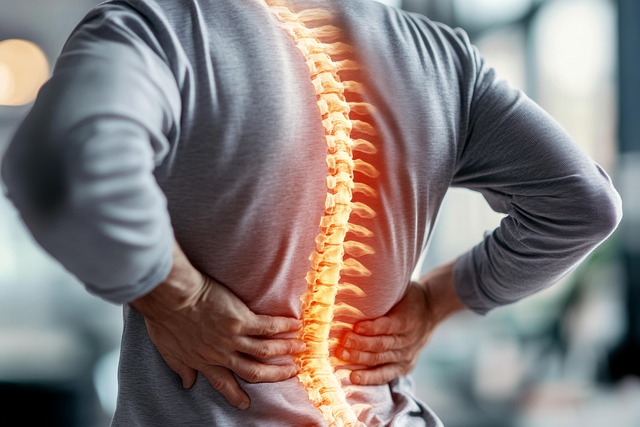
Rear-end collisions are a common occurrence on our roads, often leading to a range of injuries, one of which is a herniated disc. When a vehicle is rear-ended, the sudden impact can cause stress and strain on the spine, resulting in damage to the intervertebral discs. These discs act as cushions between the vertebrae, providing flexibility and support to the spinal column. A herniated disc occurs when the soft, gel-like nucleus pulsates through a tear in the outer ring, pressing on nearby nerves and causing pain, numbness, or weakness.
Chiropractors are often at the forefront of helping individuals recover from such injuries, especially when it comes to managing herniated discs post-car crash. Chiropractic management aims to alleviate symptoms, reduce inflammation, and restore the body's natural alignment and movement. Through a combination of adjustments, therapies, and patient education, chiropractors can provide effective relief for those suffering from disc-related issues stemming from rear-end collisions. For example, a study published in the Journal of Manual Medicine found that chiropractic care significantly improved pain and disability in patients with herniated discs after motor vehicle accidents.
The initial assessment is crucial in determining the extent of the injury and devising an appropriate treatment plan. Chiropractors employ various techniques to assess disc health, including spinal examinations, imaging studies, and patient history analysis. Once diagnosed, treatment may include gentle adjustments to alleviate pressure on nerves, specific exercise programs to strengthen supporting muscles, and modalities such as heat or ice therapy to reduce inflammation. Over time, patients can learn to manage their condition through postural awareness, ergonomic guidance, and regular maintenance care, enabling them to live active lives despite the initial injury.
Chiropractic Management: Natural Healing Strategies

Chiropractic management offers a natural healing approach for individuals suffering from herniated discs following rear-end collisions. This non-invasive technique focuses on correcting spinal misalignments and reducing nerve compression, allowing the body to initiate its inherent healing process. Research indicates that chiropractic care can significantly improve pain reduction and functional recovery in patients with whiplash injuries, a common outcome of rear-end crashes. For instance, a study published in the Journal of Manipulative and Physiological Therapeutics found that chiropractic manipulation led to reduced pain and improved mobility compared to traditional medical care for whiplash-related disc issues.
Chiropractors employ various techniques such as spinal adjustments, joint mobilization, and therapeutic exercises tailored to each patient's needs. These methods aim to restore proper joint function, enhance flexibility, and strengthen supporting muscles. For individuals with herniated discs, chiropractic management can be a game-changer, offering an alternative to surgery or long-term medication reliance. It empowers patients to take control of their healing journey by promoting self-care and fostering the body's natural ability to mend.
The benefits of chiropractic management for post-car crash injuries extend beyond pain relief. Chiropractors also address associated symptoms like headaches, neck stiffness, and radicular pain, commonly experienced after rear-end collisions. By addressing the underlying spinal issues, patients may notice improvements in their overall quality of life, including better sleep, enhanced mobility, and reduced reliance on painkillers. This holistic approach recognizes that a healthy spine is fundamental to overall well-being.
Recovery and Prevention for a Healthy Spine Post-Crash

Following a rear-end collision, healing slipped discs naturally and effectively is paramount for recovering spinal health. The initial impact can cause herniated or bulging discs, leading to chronic pain if left untreated. Chiropractic management plays a pivotal role in this recovery process. Chiropractors employ non-invasive techniques like adjustments, soft tissue therapy, and exercise programs tailored to reduce disc pressure and promote healing. For instance, a study published in the Journal of Manipulative and Physiological Therapeutics found that chiropractic care significantly improved pain reduction and functional outcomes for patients with herniated discs post-car crash.
Prevention is equally crucial to maintain a healthy spine post-crash. Regular chiropractic check-ups can identify potential issues early on, enhancing the ability to address them proactively. Ergonomic adjustments at work and home, such as maintaining proper posture while sitting and using supportive bedding or pillows, also contribute significantly. Incorporating strengthening exercises for the core muscles that support the spine can further mitigate risks. For instance, research has shown that specific spinal stability exercises reduce disc stress and lower the risk of future herniations.
Integrative care, combining chiropractic management with physical therapy and lifestyle modifications, offers a holistic approach to healing. This method not only accelerates recovery but also empowers individuals to take charge of their spine's health long-term. By adhering to a structured rehabilitation plan and making conscious choices to support their spinal column, survivors of rear-end collisions can achieve lasting improvements in their quality of life.
Understanding the impact of rear-end collisions on the spine is crucial, especially regarding herniated discs. This article has provided an authoritative guide to managing these injuries naturally through chiropractic management. By utilizing specific adjustments and natural healing strategies, individuals can promote the body's innate ability to heal itself after a post-car crash. The focus on recovery and prevention ensures a healthier spine long-term. Key takeaways include the effectiveness of chiropractic care in treating herniated discs, the importance of early intervention, and practical steps for managing pain and enhancing spinal health. Readers now possess valuable insights and tools to navigate their healing journey, empowering them to make informed decisions about their spinal well-being naturally, with the support of chiropractic management.