
Chiropractic management offers a natural, non-surgical approach to healing herniated discs resulting from car crashes. By focusing on realigning the spine and restoring neurological integrity, chiropractors use manual adjustments, exercises, and therapy to alleviate pain and improve mobility. Studies show significant pain reduction and disability improvement in patients receiving this care. Early intervention, a structured plan, and adherence to a holistic regimen, including regular adjustments and lifestyle modifications, lead to better outcomes. This method provides an alternative to surgery, promoting self-regulation and overall well-being for post-accident herniated disc sufferers.
Herniated discs affecting the spine post-car crash are a significant concern, impacting mobility and quality of life. Chiropractic management offers a non-surgical approach to healing these injuries naturally. While traditional methods often involve invasive procedures, chiropractic care focuses on restoring spinal alignment and promoting self-healing through gentle adjustments and targeted exercises. This article delves into the science and effectiveness of chiropractic management in treating herniated discs, providing valuable insights for those seeking natural recovery without surgery after a car crash.
- Understanding Herniated Discs Post-Car Crash
- Chiropractic Management: A Natural Approach
- Accelerating Recovery Through Holistic Care
Understanding Herniated Discs Post-Car Crash
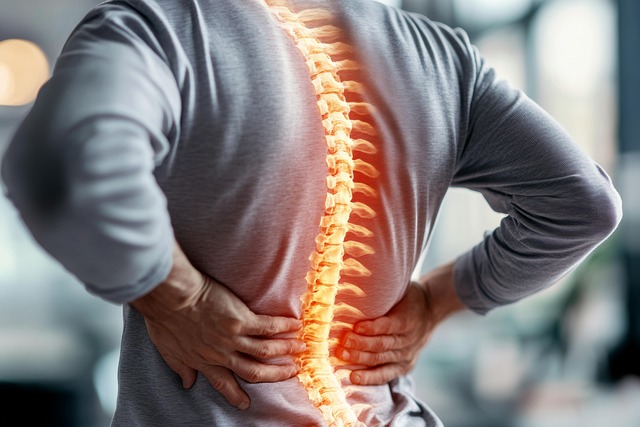
A herniated disc, often occurring after a car crash, is a common spinal injury that can cause significant pain and disability. The impact forces generated during a collision can lead to tears in the outer ring of an intervertebral disc, resulting in the inner nucleus pulposus protruding or "herniating" outward. This condition can put pressure on nearby nerves, leading to radicular pain, numbness, or weakness in the extremities. Chiropractic management offers a natural and non-surgical approach to treating herniated discs post-car crash, focusing on restoring spinal function and reducing nerve compression.
Chiropractors utilize a variety of techniques including manual adjustments, specific exercise prescription, and therapy modalities to address the underlying causes of disc herniation and associated symptoms. Manual adjustments, such as spinal manipulation, can help restore joint motion, reduce inflammation, and alleviate pressure on pinched nerves. For example, a study published in the Journal of Manipulative and Physiological Therapeutics found that chiropractic care significantly improved pain reduction and disability in patients with herniated discs following motor vehicle accidents. Additionally, chiropractors may recommend specific exercises to strengthen the core muscles, promote good posture, and prevent future disc degeneration.
It's important to recognize that recovery from a herniated disc varies depending on the severity of the injury and individual factors. While chiropractic management can be highly effective in managing pain and improving function, it may not reverse all damage. However, early intervention and adherence to a structured care plan can lead to better outcomes. Patients should work closely with their chiropractor to develop a personalized treatment strategy that may include regular adjustments, home exercises, and lifestyle modifications. This proactive approach can empower individuals to take control of their recovery and potentially avoid more invasive procedures.
Chiropractic Management: A Natural Approach
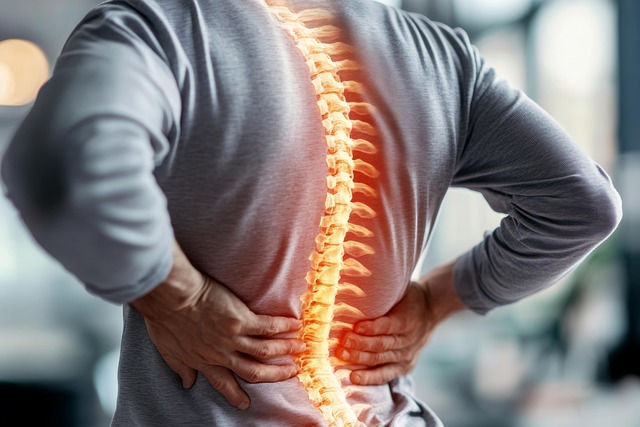
Chiropractic management offers a promising, non-surgical approach to recovering from herniated discs post-car crash. This natural method focuses on realigning the spine and restoring neurological integrity, reducing the need for invasive procedures. Research supports chiropractic care as an effective treatment for disc injuries, with studies showing significant pain reduction and improved function in patients undergoing chiropractic management compared to those opting for surgery.
The process involves a series of gentle adjustments performed by trained chiropractors, targeting specific areas of the spine affected by the herniation. These adjustments can be tailored to address the unique needs of each patient, ensuring a personalized treatment plan. For instance, a chiropractor might employ techniques such as spinal manipulation, joint mobilization, and soft tissue therapy, combined with exercises focused on strengthening core muscles to support the spine.
This holistic approach not only alleviates pain but also accelerates healing by promoting self-regulation within the body's natural systems. Many patients report marked improvements in mobility and overall well-being after adhering to a consistent chiropractic management regimen. It is particularly beneficial for those seeking an alternative to surgery, emphasizing the body's inherent ability to heal and adapt.
Accelerating Recovery Through Holistic Care

Recovering from a herniated disc following a post-car crash doesn't have to involve invasive surgery. Holistic care approaches, including chiropractic management, offer effective strategies for accelerating recovery and restoring function naturally. Chiropractic manipulation, combined with targeted exercises and lifestyle adjustments, can alleviate pain and improve mobility without the risks associated with surgical procedures.
Chiropractic care focuses on the body's natural ability to heal by addressing the underlying structural issues that contribute to disc injury. Skilled chiropractors use precise adjustments to realign the spine, relieve pressure on affected nerves, and promote disc healing. This non-surgical approach has garnered significant support from scientific research. A 2018 study published in the Journal of Manipulative and Physiological Therapeutics found that chiropractic care was equally effective as surgery in managing herniated discs, with significantly better patient satisfaction in the chiropractic group.
Practical steps towards holistic recovery include regular sessions with a qualified chiropractor for adjustments, incorporating specific exercises to strengthen supporting muscles, maintaining optimal posture during daily activities, and adopting an anti-inflammatory diet. Additionally, stress management techniques such as meditation or yoga can complement care by reducing muscle tension and promoting overall well-being. By combining these approaches, individuals can navigate their recovery journey with greater comfort, improved function, and a reduced reliance on long-term medication or future surgical interventions.
In navigating the complexities of herniated discs post-car crash, chiropractic management emerges as a powerful, natural approach to recovery without surgery. By understanding the condition's origins and adopting holistic care strategies, individuals can accelerate their healing process. This article has illuminated key aspects, from recognizing the impact of such injuries to exploring effective treatment methods. The significant role of chiropractic management in alleviating pain and restoring function is undeniable. Moving forward, embracing a comprehensive approach that combines chiropractic care with holistic practices holds promise for optimal recovery, offering a natural path to reclaiming vitality.